New Dietary Guidelines Encourage Emphasis on Whole Foods, Protein Sources
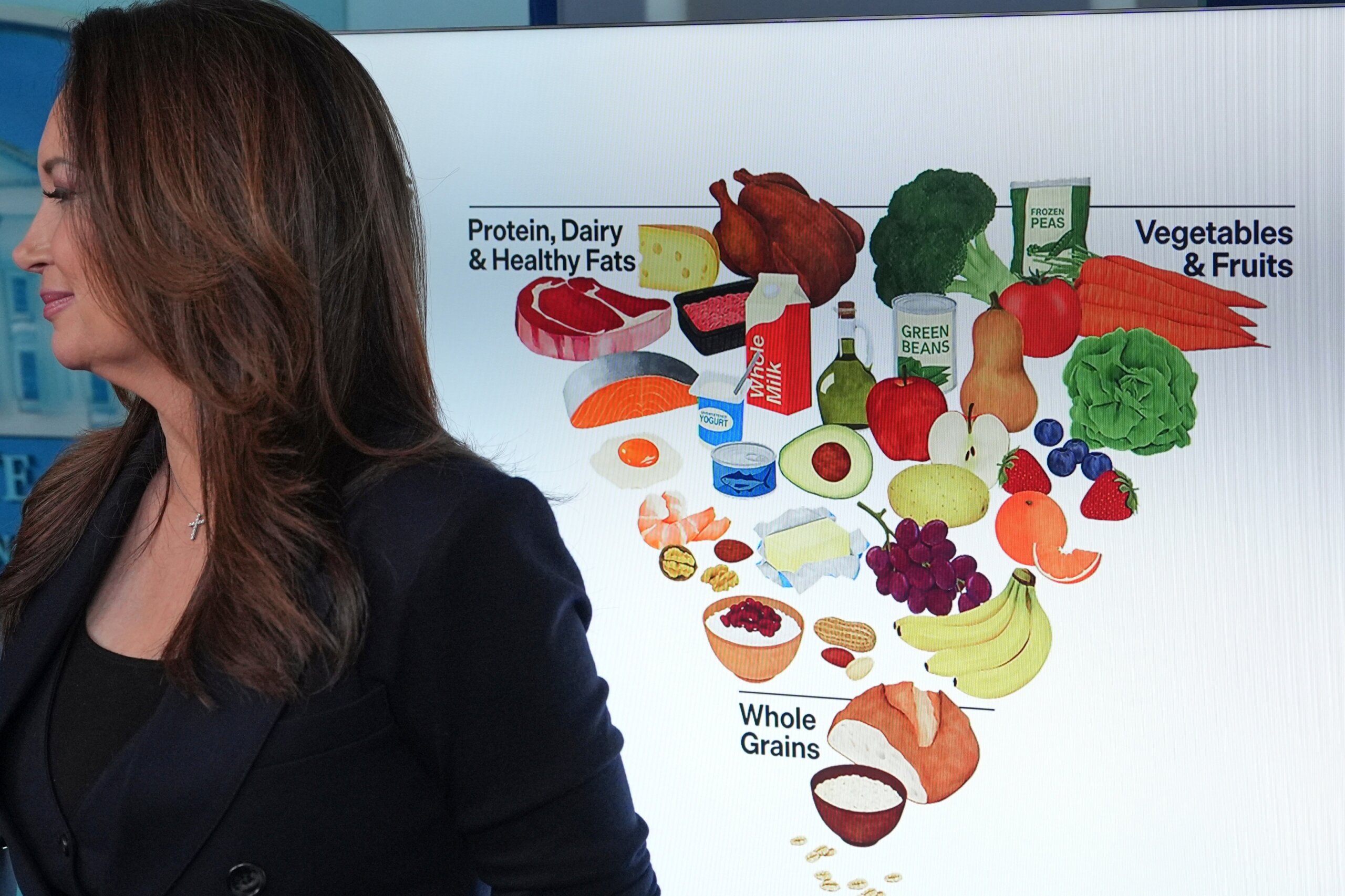
In a recent announcement, Health and Human Services Secretary Robert F. Kennedy Jr. unveiled a revised food pyramid that shifts dietary focus toward proteins and healthy fats, amidst growing concerns about the health impacts of processed foods. This new framework aims to guide Americans towards a diet enriched with whole and minimally processed foods, a perspective that experts are heralding as a progressive change in nutritional guidance.
Patti Truant Anderson, the policy director at the Johns Hopkins Center for a Livable Future, praised the initiative, stating, “We see that there’s an emphasis on whole and minimally processed foods, and that really is a welcome shift away from decades of more nutrient-focused messaging.” The emphasis on fruits and vegetables, which take a prominent position in the new pyramid, aligns with extensive research linking plant-based diets to longevity and improved health outcomes.
However, Anderson cautioned that certain aspects of the updated guidelines may warrant careful consideration. The increased focus on protein sources, particularly meat and dairy products, could potentially mislead consumers. She emphasized the necessity of being mindful about increasing protein intake without inadvertently elevating saturated fat consumption. “It is possible to enhance protein intake by focusing more on plant-based and seafood sources,” Anderson noted.
Dr. Ashanti Woods, a pediatrician at Mercy Medical Center in Baltimore, also underscored the implications of this dietary shift for families. He highlighted the importance of fostering healthy habits from a young age, adding that encouraging children to experiment with diverse food options could cultivate a fondness for nutritious eating. “We want families to consider a plate that has a little bit of everything on it. We want children to explore,” he said, recommending grocery shopping as a family activity to empower children in their food choices.
The revised guidelines have notably increased the recommended daily protein intake for children from 0.8 to 1.2-1.6 grams per kilogram of body weight, essentially doubling the previous recommendation. While Dr. Woods acknowledges the benefits of lean protein for children’s growth and development, he warns against excessive consumption of any food group, including protein.
Moreover, he advocates for an integrative approach to health that encompasses not only dietary choices but also physical activity. Woods recommends incorporating three to five days of exercise into the weekly routine, emphasizing activities that promote sweating—as these are critical for overall health and well-being.
As these guidelines take effect, individuals and families are encouraged to reassess their dietary patterns and consider the long-term health benefits of prioritizing whole, nutritious foods while also engaging in regular physical activity. This comprehensive approach to health represents an important step toward improving public health outcomes in the United States.