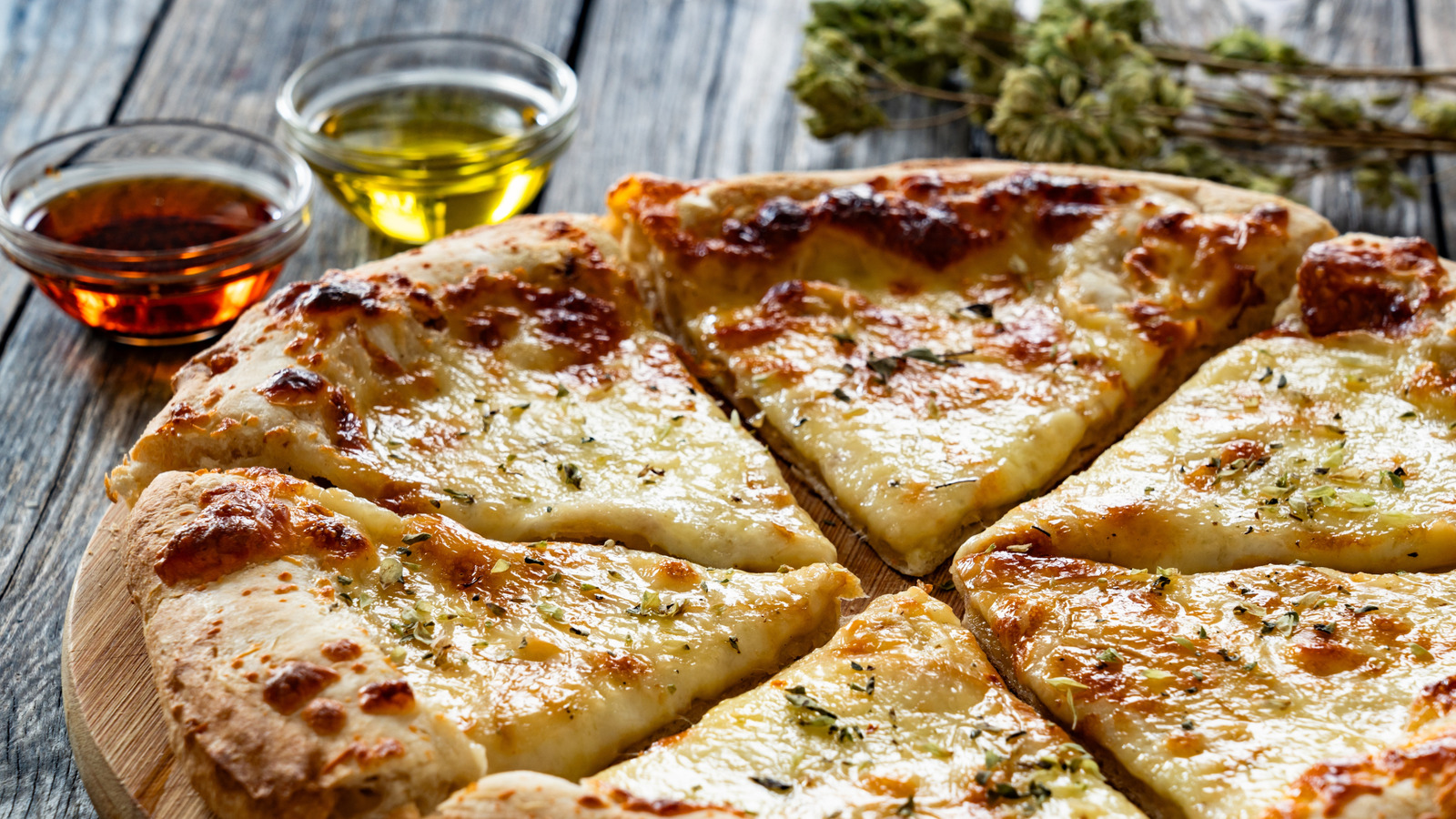
Adding olive oil to homemade pizza dough can enhance its taste and texture, according to culinary experts. This technique differs from traditional recipes that typically include just flour, water, salt, and yeast. The inclusion of olive oil not only improves the flavor but also contributes to a softer crust and longer shelf life.
Benefits of Olive Oil in Pizza Dough
When flour and water are combined, gluten bonds form, creating the dough’s structure. Olive oil, being hydrophobic, helps retain moisture, which can lead to a more manageable dough and a crust that is both softer and more golden. Experts suggest that adding olive oil can also extend the dough’s freshness.
How to Incorporate Olive Oil
It is recommended to add olive oil after allowing the gluten to develop during the dough’s initial rise. The typical addition should be between 1% to 3% of the flour’s weight; for instance, a recipe using 500 grams of flour would require about 15 grams (or 1 tablespoon) of oil. Different styles of pizza may call for varying amounts of oil, with New York-style pizzas using up to 5% oil, while classic Neapolitan recipes do not use any at all.
Choosing the Right Olive Oil
While extra virgin olive oil (EVOO) is popular for dressings, it may not be the best choice for pizza dough due to its low heat point and strong flavor that dissipates when cooked. A refined or light olive oil, which has a higher heat tolerance and a more neutral flavor, is often recommended for better results.
Background on Pizza Dough Preparation
Homemade pizza dough typically consists of five ingredients: flour, water, yeast, salt, and olive oil. The preparation involves mixing, resting, and folding the dough to develop its elasticity, making it suitable for various toppings.