Greater Portland Council of Governments Promotes Accessory Dwelling Units to Combat Housing Shortage in Maine
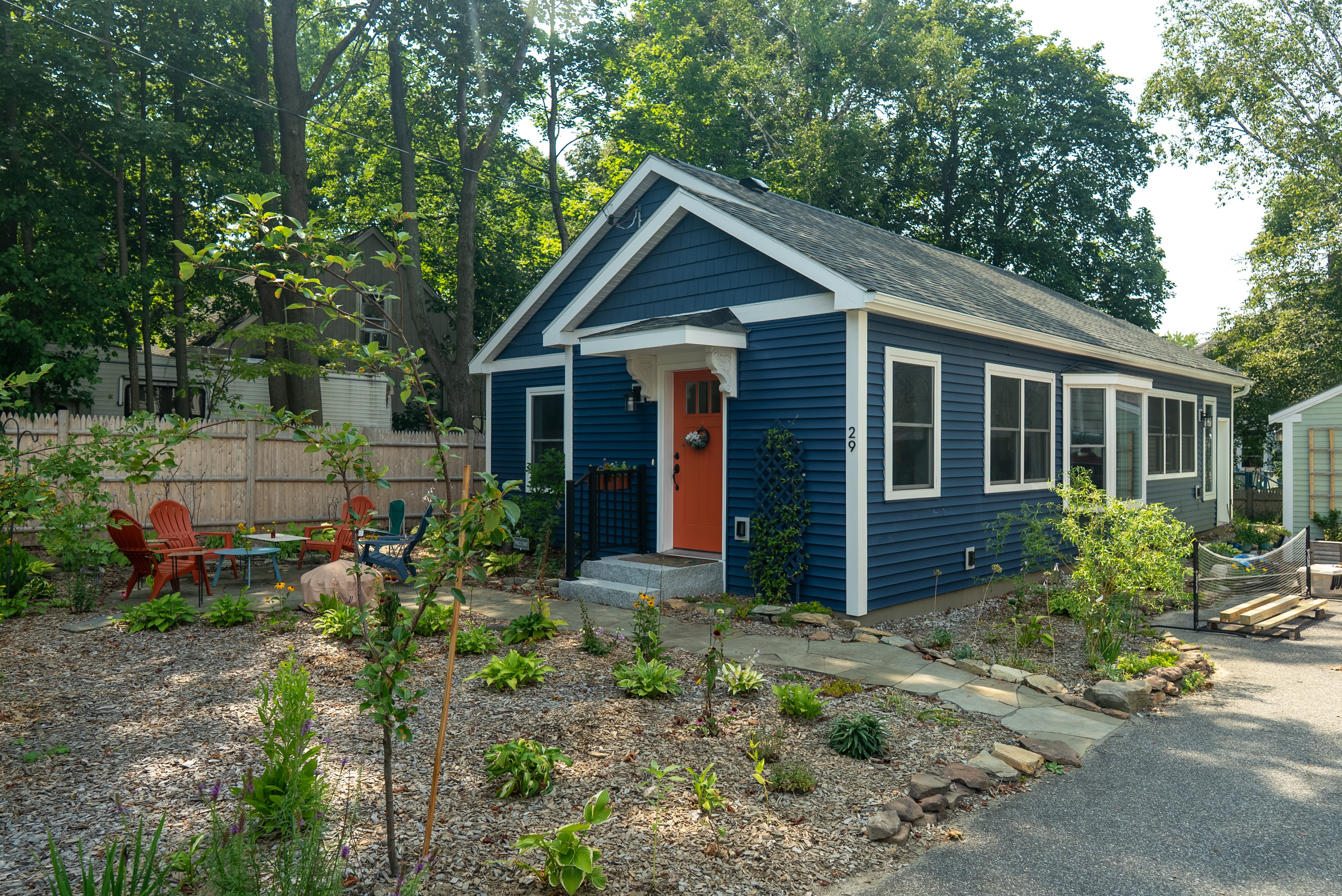
In an effort to address the escalating housing shortage in Maine, the Greater Portland Council of Governments (GPCOG) has launched a new initiative aimed at encouraging homeowners to consider constructing Accessory Dwelling Units (ADUs) on their properties. This strategic move not only seeks to enhance the availability of affordable housing options but also empowers families to create versatile living spaces.
An accessory dwelling unit, as defined by housing regulations, is a secondary living space that is built either as an addition to an existing home or as a detached structure on the same property. This encompasses conversions of existing structures, such as garages and basements. In a significant legislative step, the Maine Legislature passed a law in 2023 mandating that municipalities amend their land-use ordinances to allow at least one ADU per lot designated for single-family homes.
Despite the overarching legislation, specific regulations regarding the construction and design of ADUs can differ from one municipality to another. To aid homeowners in navigating these variations, the GPCOG has developed a user-friendly website, MaineADUguide.org. The platform features an interactive tool known as the ‘ADU Wizard,’ enabling prospective builders to ascertain what types of ADUs are permissible on their properties based on local guidelines.
Kristina Egan, the executive director of GPCOG, emphasized the multifaceted advantages of ADUs. “Many families are constructing these units to accommodate elderly parents or adult children,” she noted. “Beyond reducing housing costs, ADUs foster closer family connections while still preserving the privacy typical of single-family residences. For numerous households, investing in an ADU not only makes financial sense but also enhances their overall quality of life.”
The website offers a wealth of resources, including detailed information on construction costs, design inspiration, financing options, and contractor recommendations. Prospective builders can expect the construction timeline for an ADU to range from 12 to 24 months. The financial outlay can vary significantly, with estimates indicating costs ranging from ,000 for simple interior conversions to as much as 0,000 for newly built detached units.
Industry professionals also recognize the potential of ADUs to address housing challenges. Chris Lee, the design and development head at Backyard ADUs, remarked on their capacity to increase housing supply while providing affordable living solutions for individuals at various life stages. Similarly, Andrew Frederick, co-founder of Croft — a Rockland-based company producing carbon-negative, panelized, prefabricated buildings for ADUs — praised the concept for promoting sustainable urban development. He stated, “Building alongside existing infrastructure — such as municipal water, sewer, and electrical systems — can significantly lower construction expenses, potentially saving six figures.”
The GPCOG initiative and its accompanying resources received a funding boost of ,000 from the Maine Department of Economic and Community Development’s Housing Opportunity Program, underscoring the state’s commitment to finding innovative solutions to its housing predicament. As housing demands continue to evolve, the GPCOG’s ADU initiative represents a promising step toward fostering a more sustainable and affordable housing landscape in Maine.